
Stanley Roof and Solar is a Vancouver, WA headquartered, Malarkey Premium Certified roofing contractor providing storm damage roof repair for wind, hail, and debris damage. The team inspects full roof systems, documents damage for insurance claims, and offers same-day emergency tarping across Vancouver and the Columbia River Gorge region.
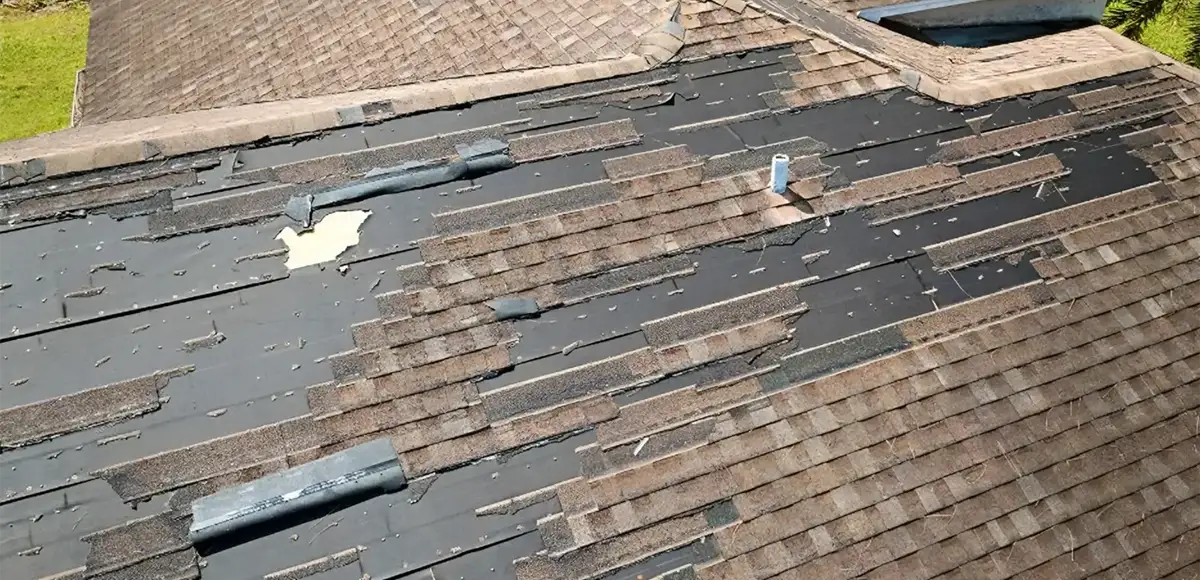
A storm doesn’t check whether a homeowner is ready for it, and the gap between when a Vancouver roof gets damaged and when someone documents that damage often decides whether an insurance claim goes without a fight or turns into a dispute. As a trusted Vancouver roofing contractor, Stanley Roof and Solar handles storm damage roof repair in Vancouver the same way regardless of which part of the city or which insurer is involved: document first, stabilize the damage, then repair once the scope is agreed on.
Being headquartered right here means our team can respond quickly after a windstorm rolls through the Columbia River Gorge, rather than working the city from a distance like a metro-wide company might. Every storm damage assessment gets the same thorough inspection and clear documentation, whether the property is a home near Officers Row or a commercial building downtown.
A storm rarely announces the full extent of what it’s done to a roof, and that gap between visible and actual damage is exactly where costly problems tend to hide. A handful of lifted shingles or a bent piece of flashing might not produce a leak the same week, but every subsequent rain event pushes water further into the system, gradually undermining decking and insulation long before anything shows up on the ceiling below.
According to FEMA, windstorms and severe weather events regularly impact the Pacific Northwest region, and the cumulative effect of repeated storm exposure without proper repair compounds damage over successive weather events rather than starting fresh each time. Fast, thorough storm damage repair in Vancouver protects your home’s structural integrity while also strengthening your position with an insurance adjuster, since damage documented and addressed shortly after a storm is far easier to attribute to that specific event than damage discovered months down the line.
Gusts in the 45 to 57 mph range can start lifting and loosening shingle tabs, especially on roofs that already have some age on them, while sustained winds of 58 mph or stronger fall into severe territory and can strip shingles off completely, even from roofs that were otherwise holding up fine. Given Vancouver’s location near the Columbia River Gorge, this level of wind exposure happens regularly rather than as an occasional fluke, which explains why wind damage tops the list of storm-related repairs we handle.
Hail leaves bruises in shingles, knocks loose the protective granule coating, and dents softer components like gutters, vents, and flashing pieces. Once hailstones reach roughly an inch across, standard asphalt shingle roofing in Vancouver, WA typically begins showing real functional damage, and anything larger tends to cause obvious, widespread harm across almost any roofing surface. Interestingly, hail damage often reveals itself more clearly on gutters and flashing than on the shingles themselves, which is exactly why we inspect every component rather than limiting the check to the roof surface alone.
With so much tree coverage throughout Vancouver’s neighborhoods, falling branches and windblown debris rank as the third most common cause of storm-related roof damage. Debris impact tends to puncture decking, crack shingles, or dent metal roofing panels in Vancouver, in patterns that differ noticeably from wind or hail wear, often requiring a more targeted structural review of the impacted area rather than a broader general inspection.
Vancouver doesn’t sit in hurricane territory, but the region regularly experiences powerful Pacific windstorms that can produce gusts strong enough to match hurricane-force winds, resulting in extensive shingle loss, torn-away flashing, and structural stress spread across large portions of a roof simultaneously. These larger-scale events warrant the same thorough, full-system assessment used anywhere else in the country during major storms, rather than a surface-level glance at whatever damage is most visible.
Storm damage doesn’t always announce itself right away, and some of the most costly signs are the ones easiest to overlook. Here’s what to check for after a windstorm or hail event passes through Vancouver.
Not every storm event is capable of causing real damage to a roof, and understanding the thresholds where wind and hail actually start causing problems helps explain why some storms warrant an inspection and others don’t.
Storm Element | Threshold | Typical Impact on a Roof |
Wind Speed | 45 to 57 mph | Begins lifting and loosening shingle tabs, especially on older roofs |
Wind Speed (Severe) | 58 mph or higher | Can tear shingles off completely, even from roofs in good condition |
Hail Size | Around 1 inch (quarter-size) | Standard asphalt shingles begin showing functional damage |
Hail Size (Large) | 1.75 inches or larger | Widespread, clearly visible damage across most roofing materials |
Sustained Rain | Extended heavy rainfall | Increases risk of water finding its way through pre-existing minor damage |
Debris Impact | Fallen branches or wind-blown objects | Can puncture decking or crack shingles regardless of storm intensity |
Given how frequently Vancouver sees wind events tied to the Columbia River Gorge, even storms that don’t reach the more severe thresholds can still cause cumulative wear worth checking after the fact. If you’re unsure whether a recent storm caused damage to your roof, a free inspection from Stanley Roof and Solar gives you a clear answer.






Filing a storm damage claim goes more smoothly when the documentation comes from someone who actually inspected the roof in person, not just a homeowner’s own assessment from the ground. Stanley Roof and Solar provides clear photos, a detailed written scope of the damage, and a timestamp close to the storm date, exactly the kind of evidence adjusters expect to see when reviewing a wind or hail claim.
According to the Washington State Office of the Insurance Commissioner, thorough, timely documentation is one of the most important factors in a smooth claims process, and most policies also set their own deadlines for reporting a loss. Waiting too long to have your Vancouver roof inspected after a storm can complicate a claim even when the damage itself is legitimate, which is why scheduling an inspection as soon as you suspect damage matters just as much as the Vancouver roof repair work that follows.
Insurance covers sudden storm damage in most cases, not gradual wear that built up over years, and telling the two apart is most of what a post-storm inspection is for.
Likely Storm-Caused (Often Covered) | Likely Gradual Wear (Often Not Covered) |
Shingles torn or creased in a consistent wind direction pattern | Shingles curling or cracking in scattered spots with no directional pattern |
Fresh granule loss concentrated on one slope right after a specific storm date | Granule loss spread across the whole roof, built up over years |
A tree limb or debris puncture with a clear impact point | A soft, worn roof deck with no single impact point |
Flashing bent or torn away from a fastener | Flashing that has pulled loose from age over time |
New interior leaks appearing right after a storm | A slow-developing stain that has been there for months |
An inspection that documents which column a home’s damage falls into is often the difference between a claim that gets approved and one that gets questioned.
For homeowners rebuilding after storm damage, upgrading to Class 4 impact-resistant shingles during the repair or replacement is worth considering, especially given how often wind and hail come up in Vancouver storm damage calls. A Class 4 rating means the shingle has passed testing simulating a 2-inch hailstone without cracking, the highest impact resistance rating available for asphalt shingle roofing.
According to the Insurance Institute for Business & Home Safety (IBHS), impact-resistant roofing products can reduce the likelihood of storm-related damage and, in many states, qualify homeowners for a discount on their insurance premium. We can walk through Class 4 shingle options during your inspection, particularly worthwhile for Vancouver properties with a history of storm-related claims or those looking to reduce future repair costs from the next windstorm off the Gorge.
Pricing for storm-related repairs varies based on the severity of the damage, the roofing material involved, and whether the situation calls for an immediate fix or a scheduled one. Here’s a general breakdown to set expectations before your free, on-site inspection.
Repair Type | Typical Cost Range | What Affects the Price |
Isolated Shingle Replacement | $300–$800 | How many shingles need replacing, roof steepness, matching material availability |
Flashing or Gutter Damage Repair | $200–$1,000 | Scope of wind or hail impact, number of affected components |
Same-Day Emergency Tarping | $300–$800 | Size of the exposed section, roof pitch, ease of access |
Moderate-Scale Storm Repair | $500–$3,000+ | Damage spanning a wider portion of the roof |
Complete Assessment and Repair Package | $700–$4,000+ | Full extent of damage, documentation needed for insurance |
Total Roof Replacement (Severe Damage) | $8,000–$24,000 | Damage significant enough to require an entirely new system |
These figures represent typical storm-related repair projects in Vancouver and shouldn’t replace an actual quote, since factors like roof accessibility, availability of matching materials, and hidden damage can all shift your final number. Stanley Roof and Solar provides a free on-site inspection so you’ll know exactly what your storm damage repair costs before any work gets started.
Every storm damage call follows the same clear process, whether it’s a residential home near Officers Row or a commercial building downtown. Here’s exactly what to expect from your first call to the finished repair.
Getting storm damage repair right takes a combination of quick action and careful attention to detail, which is precisely how our team approaches every job. Here’s what makes Stanley Roof and Solar the right call for Vancouver property owners.
Browse completed storm damage repair projects in our project gallery to see the quality and craftsmanship we deliver across Vancouver, and read what local homeowners and businesses say on our testimonials page or Google Business Profile.
From homes near Officers Row to commercial buildings downtown, Stanley Roof and Solar delivers the same thorough, Malarkey Premium Certified storm damage assessment on every project throughout Vancouver. As a locally headquartered contractor, we respond quickly after wind and hail events, documenting damage clearly to support your insurance claim from start to finish.
We also serve the surrounding region, including Clark County, WA, Battle Ground, WA, Camas, WA, Longview, WA, Woodland, WA, Multnomah County, OR, Portland, OR, Beaverton, OR, Hillsboro, OR, Tigard, OR, and Lake Oswego, OR. For a full view of our coverage, see our service area page.
The damage you can see from the ground after a storm is rarely the full picture. Our team will inspect the entire roof, document everything clearly to support your insurance claim, and give you a straightforward plan for repair, with no pressure to agree to more than the damage actually calls for. The sooner an inspection happens, the stronger your documentation and the smaller the risk of a minor issue turning into a bigger one.
Call us at (800) 433-4633 to schedule your free storm damage inspection today.
Whether you need a fast repair, a full roof replacement, or a solar system installed by a team that actually understands roofs, you’re one call away from a straight answer and a free estimate.
As soon as possible, ideally within a few days. Documentation gathered close to the storm date is stronger for insurance purposes, and catching damage early prevents it from worsening with the next rain event.
Yes, wind can lift and reseat shingles without fully tearing them off, weakening the seal without leaving an obvious visual gap. This type of damage is easy to miss from the ground.
We provide thorough photo documentation and a written scope of the damage that adjusters can review, giving homeowners strong evidence to support their own claim discussions.
Yes, bruised shingles, loosened seals, and minor flashing shifts often aren't visible from the ground, which is why a close, hands-on inspection matters more than a quick glance from the driveway.
Minor repairs are often completed within a single day, while more extensive damage involving multiple areas of the roof may take several days depending on material availability and scope.
Calling (800) 433-4633 directly connects you to same-day scheduling for active leaks or exposed roofing, since Stanley Roof and Solar prioritizes urgent storm-related calls.
Under Washington rules, an insurer has up to 30 days from the date a claim is filed to inspect the property.
In most cases, no, beyond reasonable steps to prevent further damage like tarping. The Office of the Insurance Commissioner recommends waiting until the insurer has seen the property and agreed on the scope before permanent repairs begin.
Yes. A storm damage inspection documents which type of damage is present, since insurance often covers sudden storm damage but not gradual wear that built up over years.
Yes. Stanley Roof and Solar offers financing for costs a deductible or settlement doesn't cover, so homeowners and businesses can spread the balance across monthly payments.
Whether you need a fast repair, a full roof replacement, or a solar system installed by a team that actually understands roofs, you’re one call away from a straight answer and a free estimate.