

Summary
The federal solar tax credit ended for residential purchases after 2025, but Washington’s sales tax exemption, Oregon’s Energy Trust rebates, and net metering in both states still lower solar costs. Stanley Roof and Solar offers free assessments to calculate real savings.
Key Takeaways
- The federal Residential Clean Energy Credit (30% of system cost) ended for expenditures made after December 31, 2025; systems paid for in 2025 may still qualify on that year’s return.
- Washington offers a 100% sales and use tax exemption on qualifying solar systems through 2029, plus required net metering and Clark County-specific loan programs through Clark Public Utilities.
- Oregon homeowners can access Energy Trust of Oregon cash incentives, Solar Within Reach for income-qualified households, and the Oregon Solar + Storage Rebate Program when funded.
- Net metering, available in both states, is now the most consistent long-term value driver for solar, delivering savings for the full life of the system rather than a one-time credit.
- The commercial solar tax credit (Section 48E) remains active through 2027 for business-owned systems, including solar leases and PPAs.
- Pairing solar panel installation with a roof replacement is often more cost-effective and doesn’t affect incentive eligibility.
The federal solar tax credit landscape changed in a real way heading into 2026, and if you searched for “solar tax credit” a year or two ago, some of what you found is now out of date. The good news: homeowners in Vancouver, WA and the greater Portland metro still have real ways to lower the cost of solar panel installation, between state tax exemptions, utility programs, and net metering. Here is where things stand.
This guide is for general information only and is not tax advice. Program details, funding levels, and eligibility rules change, so confirm your specific numbers with a licensed tax professional and with Stanley Roof and Solar before you budget a project.
Where the Federal Solar Tax Credit Stands
For over a decade, homeowners who purchased a solar system could claim the Residential Clean Energy Credit, worth 30% of the system cost, on their federal taxes. That changed with the One Big Beautiful Bill Act, signed into law in July 2025. According to the IRS, residential clean energy credit expenditures made after December 31, 2025 no longer qualify.
A few things are worth knowing if you are researching this now:
- If you installed and paid for your system in 2025, you may still be able to claim the 30% credit on your 2025 tax return. Confirm with your tax preparer.
- If you purchase a system with cash or a loan in 2026 or later, the federal residential credit does not apply. This is the biggest single change from a few years ago.
- The commercial credit (Section 48E) is still active through 2027 for business-owned systems. This matters for homeowners because a solar lease or power purchase agreement (PPA) counts as a commercial arrangement in the eyes of the tax code: the financing company owns the equipment, claims the credit, and can pass some of that value to you through a lower monthly payment.
The federal picture is thinner than it used to be, but Oregon and Washington both still have meaningful state and utility-level programs that homeowners in our service area can use.
Solar Incentives for Washington Homeowners (Vancouver, Clark County, and Beyond)
Washington does not have a state income tax, so its solar incentives come through sales tax treatment, net metering law, and local utility programs rather than a state tax credit.
- State sales and use tax exemption: Washington offers a 100% sales and use tax exemption on the purchase and installation of qualifying solar energy systems up to 100 kW AC, in effect through December 31, 2029, according to the Washington Department of Revenue. Depending on your local rate, that removes about 7% to 10% from the project cost with no application or refund process required at the point of sale.
- Net metering: State law requires Washington utilities to offer net metering for systems up to 100 kW, with exported electricity credited at or near the retail rate in most cases. Excess production during long summer days offsets usage during the darker months.
- Clark Public Utilities solar equipment loans: Homeowners in Clark County, including Vancouver, Battle Ground, Camas, and Woodland, can access low-interest financing through Clark Public Utilities for solar equipment, with loan amounts up to $30,000 and terms up to seven years. This is separate from, and can be combined with, financing through Stanley.
- Property tax: Washington’s treatment of solar system value for property tax purposes varies by county and has changed in recent years. Check with your county assessor’s office for current rules before you budget around this one.
Solar Incentives for Oregon Homeowners (Portland Metro and Beyond)
Oregon’s programs run through the Energy Trust of Oregon (ETO), a nonprofit that manages incentives for Portland General Electric (PGE) and Pacific Power customers, along with state-level programs.
- Energy Trust of Oregon cash incentive: If you are a PGE or Pacific Power customer, ETO offers a cash rebate applied to your installation quote when you work with an approved Trade Ally contractor, so the discount shows up on Day 1 rather than after a tax filing. Rebate amounts and structure have changed in recent years, so confirm the current figure through Energy Trust of Oregon before you budget.
- Solar Within Reach: Moderate- and lower-income Oregon households often qualify for a higher incentive rate through this ETO program, on top of the standard rebate.
- Oregon Solar + Storage Rebate Program: Administered by the Oregon Department of Energy, this program has opened and closed multiple times as funding is reserved and renewed. When funds are available, it can add a meaningful rebate for both solar and battery storage, with a larger incentive for income-qualified households. Ask Stanley or check with ODOE for current availability.
- Property tax exemption: Oregon exempts the added home value from a grid-connected, net-metered solar system from property tax assessment, so installing solar should not raise your property tax bill on its own.
- Net metering: Oregon requires a 1:1 retail-rate credit for excess solar production through PGE, Pacific Power, and other regulated utilities. Credits carry forward for 12 months, so summer surplus can offset winter usage before any unused balance rolls off.
Net Metering: The Incentive That Still Delivers, Year After Year
With the federal credit gone for new residential purchases, net metering has become the most consistent long-term value driver for solar in both states. The concept is simple: your system sends excess electricity to the grid when production outpaces your household use, and your utility credits your account. When your panels are not producing enough, at night or during our long gray stretch of fall and winter for instance, you draw those credits back down instead of paying full retail for every kilowatt-hour.
Because this credit runs at or near the retail rate in most of our service area, it is not a one-time discount. It works for the full life of your system, which is a meaningful distinction from a rebate or tax credit that only applies once.
Financing and Pairing Solar with a Roof Replacement
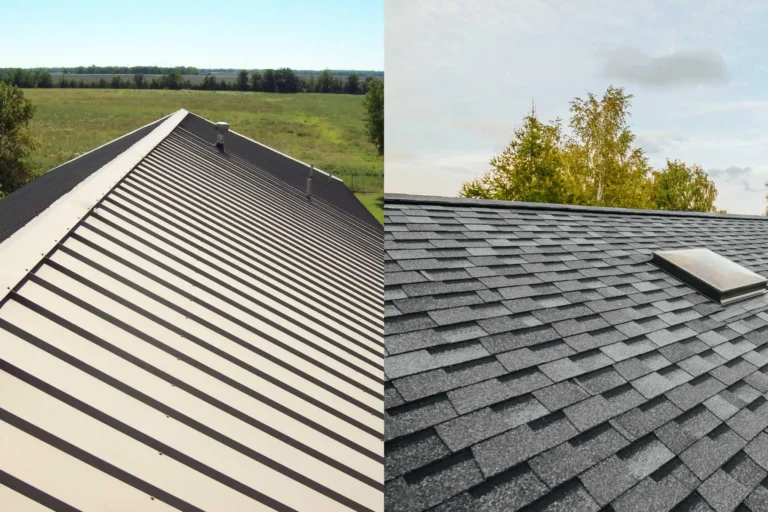
If your roof is nearing the end of its life, pairing solar panel installation with a roof replacement often costs less than doing the two projects apart, since the scaffolding, crew time, and roof access overlap. Standing seam metal roofing is a strong pairing with solar, since it allows non-penetrating mounting hardware that does not compromise the roof’s weatherproofing. We cover the material trade-offs in Asphalt Shingles vs. Metal Roofing: Which Is Best for the Pacific Northwest?
If the loss of the federal credit changes your budget math, flexible financing options are available for both roofing and solar projects, and every installation is backed by our roofing and solar warranty.
How Much Could You Save?
Every home is different, and your real number depends on system size, your utility, your income bracket for income-qualified programs, and which incentives are funded at the time you install. In general terms:
- The Washington sales tax exemption or the Oregon Energy Trust rebate often removes a noticeable share of the upfront cost before financing even enters the picture.
- Net metering can reduce your electric bill close to the fixed utility service charge for much of the year, depending on system size relative to your usage.
- Income-qualified programs in Oregon, and combined local financing in Washington, can add meaningful additional savings for households who qualify.
Because these programs are funded, capped, or income-restricted rather than guaranteed, the only reliable way to know your actual savings is a free assessment that accounts for your address, utility, and household situation.
Why Work With a Local, Licensed Solar and Roofing Contractor
Incentive programs come with paperwork, eligibility rules, and deadlines that shift from year to year, and missing a detail can mean leaving real savings on the table. Stanley Roof and Solar is family-owned, licensed and bonded in both Washington and Oregon, and we stay current on the Energy Trust of Oregon, Washington’s sales tax exemption, and local utility rebate programs so you don’t have to track the details yourself.
Because we install both the roof and the solar system as one team, your project also avoids the coordination gaps that can come with a solar-only installer working around someone else’s roofing, or paperwork that falls through the cracks between two separate contractors. You can see completed roofing and solar projects in our project gallery and read what past clients say on our testimonials page.
Get a Free Solar Assessment in Oregon or Washington Today
The programs that apply to your home depend on your utility, your income bracket for certain rebates, and current funding levels, so the fastest way to get real numbers is a free assessment from a contractor who works in both states every day. Serving Vancouver, WA, Portland, OR, and the surrounding communities, Stanley Roof and Solar can walk you through what applies to your home, with no sales pressure.
Contact us today to schedule your free solar assessment, or learn more about our full solar services.
Stanley Roof and Solar
Address: 7202 NE Hwy 99 Ste 106-210, Vancouver, WA 98665, United States
Phone Number: (800) 433-4633
Google Maps: Find Us Here
Email: info@stanleyroofandsolar.com
Business Hours:
Monday: Open 24 hours
Tuesday: Open 24 hours
Wednesday: Open 24 hours
Thursday: Open 24 hours
Friday: Open 24 hours
Saturday: Open 24 hours
Sunday: Open 24 hours
FAQs About Solar Tax Credit in Oregon & Washington
Is the federal solar tax credit still available?
Not for homeowners who purchase a system with cash or a loan. The 30% Residential Clean Energy Credit ended for expenditures made after December 31, 2025. Systems installed and paid for in 2025 may still qualify on that year’s tax return. Business-owned systems, including solar leases and PPAs, can still access a commercial version of the credit through 2027.
Does Oregon still offer solar rebates?
Yes. The Energy Trust of Oregon offers a cash incentive for PGE and Pacific Power customers, with a higher rate available through Solar Within Reach for income-qualified households. The Oregon Department of Energy’s Solar + Storage Rebate Program also opens on and off depending on funding. Current amounts change, so confirm with Energy Trust of Oregon or ask Stanley for the latest figures.
Does Washington have a solar tax credit?
Washington does not have a state income tax, so there is no state solar tax credit in the traditional sense. Instead, the state offers a 100% sales and use tax exemption on qualifying solar systems through 2029, along with required net metering and, in Clark County, low-interest solar loans through Clark Public Utilities.
What is net metering and how does it work?
Net metering credits you for excess electricity your solar panels send to the grid, at or near the retail rate in most cases. Those credits offset electricity you pull from the grid when your panels are not producing enough, which in the Pacific Northwest often means overnight and during the darker fall and winter months.
Can I still save money on solar without the federal tax credit?
Yes. The Washington sales tax exemption, Oregon’s Energy Trust rebate, and net metering in both states remain in place, and net metering in particular continues to deliver value for the full life of the system. A local, licensed contractor can walk you through which programs apply to your address and utility.
What paperwork do I need to claim solar incentives in Oregon or Washington?
Documentation typically includes your final installation invoice, system specifications, and proof of payment. For the Washington sales tax exemption, this is handled at the point of sale by your contractor. Oregon rebate programs like Energy Trust of Oregon usually require a separate application submitted after installation, which Stanley Roof and Solar can help you prepare.
Does installing solar with a roof replacement affect my eligibility for incentives?
No, pairing a roof replacement with solar panel installation doesn’t disqualify you from available incentives. In fact, planning both projects together is often more cost-effective, since it avoids removing panels for a future roof repair a few years into the system’s life.
How long does it take to receive a solar rebate after installation in Oregon?
Timelines vary by program and funding availability. Energy Trust of Oregon incentives are often applied as an upfront discount on your invoice rather than a separate reimbursement, while other rebate programs may take several weeks to process after your application is submitted.